


Amazon’s A9 Algorithm
Beyond Keywords and Bids
For years, Amazon sellers have played a cat-and-mouse game with the platform’s search algorithm. You tweak your listings, adjust your bids, and hope for that coveted spot on the first page.
But what worked in 2022 is now ancient history.
Today, we’re not just dealing with a search engine; we’re interacting with a sophisticated suite of artificial intelligence systems designed to create the most personalized shopping experience on Earth.
If you’re still thinking only about keywords and PPC, you’re already falling behind. Amazon’s A9 algorithm, supercharged by AI like the conversational shopper Rufus, has rewritten the rules. This guide will break down exactly how the modern Amazon ecosystem works, what the A9 algorithm truly values, and how you can align your strategy to not just compete, but to dominate your category.

From A9 to A10: What Really Changed?
❌ There is no officially confirmed “A10 algorithm.”
Amazon has never:
Announced an “A10” update
Named a new algorithm “A10”
Replaced A9 with something called A10
The term “A10” was invented by the Amazon seller / YouTube / agency ecosystem, not by Amazon.
Why the myth of “A10” spread
Around 2020–2022, sellers noticed real changes:
External traffic mattered more
Brand signals increased in importance
Seller authority and history started to matter
Conversion rate became more dominant than keyword stuffing
Content creators needed a simple label, so:
“Old system” = A9
“New system” = A10
This is marketing shorthand, not technical reality
The current A9 algorithm represents a major philosophical shift. While performance and relevance are still critical, the current A9 takes a more holistic view of a product’s value and a seller’s trustworthiness.
It’s less about short-term sales spikes and more about long-term brand building and customer satisfaction.
Here’s a breakdown of the key evolution:
| Feature | A9 Algorithm (Legacy) | A9 Algorithm (Current) |
|---|---|---|
| Primary Focus | Sales Velocity & PPC Performance | Customer Experience & Seller Authority |
| PPC Influence | Very High | Moderate (Supports organic signals) |
| External Traffic | Low Importance | High Importance (Major ranking factor) |
| Seller Metrics | Moderate Importance | Critical Importance (Trust signal) |
| Keyword Logic | Exact-match keyword focused | Semantic & natural language understanding |
In essence, Amazon realized that the best way to serve customers was to reward the best sellers—those who offer great products, provide excellent service, and build a brand that customers trust, both on and off Amazon.
The 15 Key Ranking Factors of the A9 Algorithm
To win on Amazon in 2026, you need to optimize for every single one of these factors. They all work together to signal to the A9 algorithm that your product is the best choice for the customer.
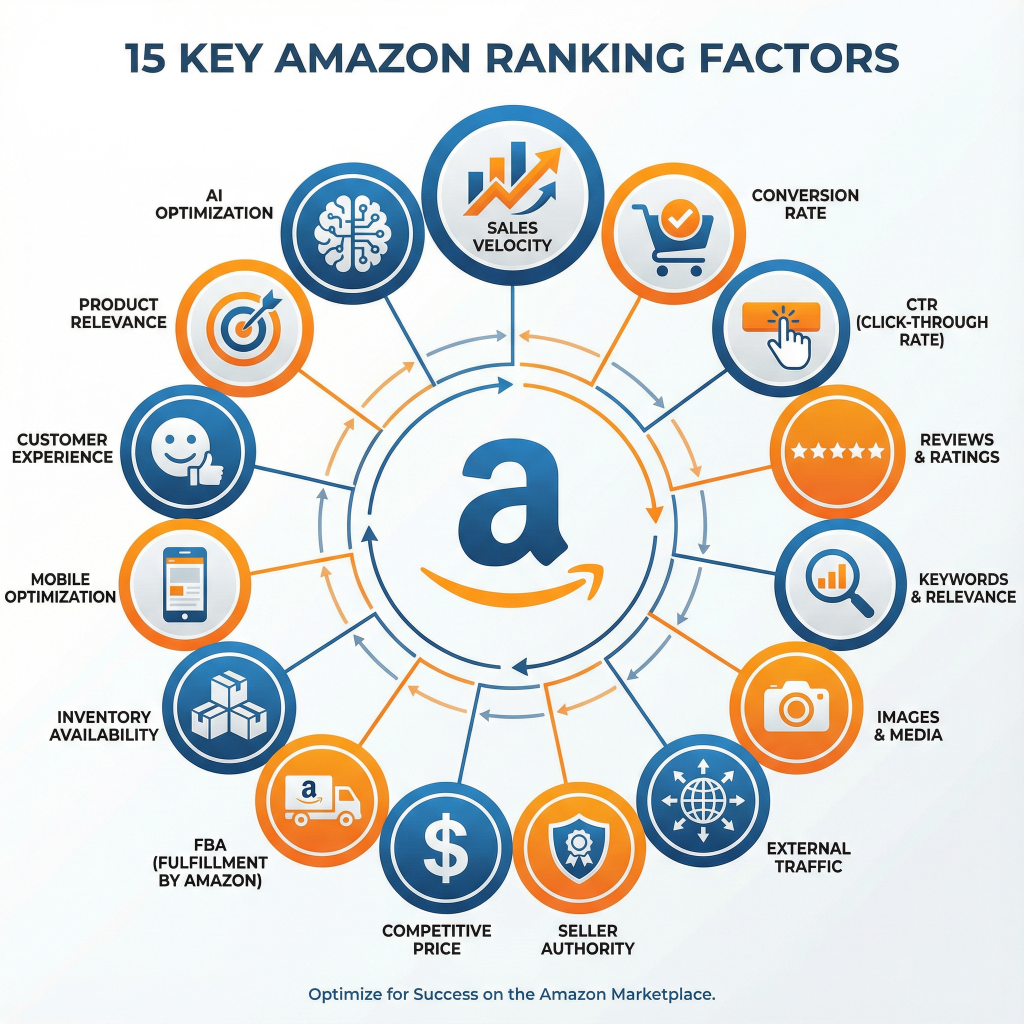
- Sales Velocity & History: Consistent organic sales are the lifeblood of your ranking. A9 values steady performance over short-term, promotion-fueled spikes.
- Conversion Rate (CVR): This is a direct measure of your listing’s effectiveness. A high CVR tells Amazon that when customers see your product, they buy it. A good target is 15% or higher.
- Click-Through Rate (CTR): Before they can convert, they have to click. Your main image, title, price, and review count all influence CTR. A high CTR signals your product is appealing in search results.
- Customer Reviews & Ratings: The quantity, quality, and recency of your reviews are more important than ever. They are a massive trust signal for both customers and the algorithm.
- Keywords & Relevance: A9 uses natural language processing to understand context. Keywords should be integrated naturally into your title, bullet points, description, and backend search terms.
- Images & Media: High-quality images (2000x2000px), infographics, and videos directly impact CTR and CVR. They are not just for show; they are sales tools.
- External Traffic: This is a game-changer in A9. Driving traffic from social media, blogs, and influencer campaigns sends a powerful signal to Amazon that your product has off-platform demand.
- Seller Authority: Your account health is your reputation. Metrics like Order Defect Rate (<1%), Late Shipment Rate (<4%), and positive feedback are critical.
- Competitive Price: Your price must be competitive within your category. The algorithm knows what a fair price is and will favor listings that offer good value.
- Fulfillment by Amazon (FBA): Using FBA gives you the Prime badge, which is a massive conversion driver and a factor the algorithm heavily favors.
- Inventory Availability: Being out of stock is a ranking killer. The algorithm will demote listings that can’t fulfill orders. Maintain a healthy Inventory Performance Index (IPI).
- Mobile Optimization: With over 70% of Amazon traffic coming from mobile devices, your listing must be easy to read and navigate on a small screen.
- Customer Experience: This includes everything from your return rate to how quickly you answer customer questions. A positive experience encourages repeat business and signals quality to A9.
- Product Relevance: The algorithm’s primary job is to show relevant products. Your listing must be perfectly categorized and aligned with the search queries you’re targeting.
- AI Optimization: Your listing must be optimized for Amazon’s new AI tools, which we’ll cover next.
Meet Rufus: How Amazon’s AI is Changing Search
In early 2024, Amazon launched Rufus, its conversational AI shopping assistant. By 2026, Rufus is deeply integrated into the shopping experience, acting as a personal shopper for millions of customers.
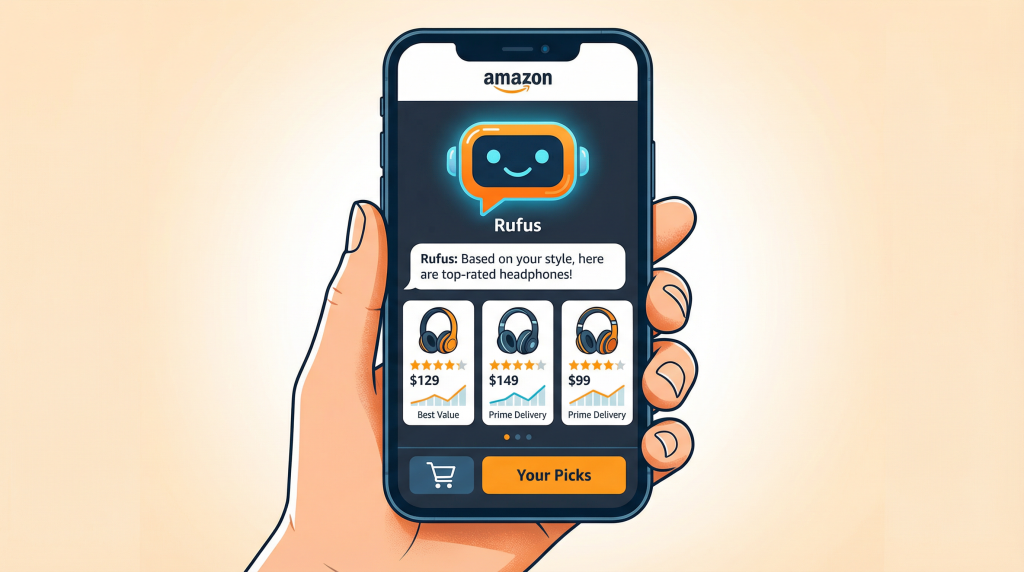
Rufus changes everything because it moves beyond simple keyword matching. Customers can now ask questions in natural language, such as:
“What are the best running shoes for narrow feet and a history of shin splints?”
“I’m hosting a Star Wars-themed birthday party for my 8-year-old. What do I need?”
“Find me a durable, waterproof jacket for hiking in the Pacific Northwest under $150.”
Rufus answers by analyzing product listings, customer reviews, Q&As, and even external web content to provide a curated recommendation. To rank in the age of Rufus, your content must be descriptive, benefit-focused, and answer the specific questions your target customers are asking.
How to Optimize for Rufus and Other Amazon AI
- Think in Questions: Structure your bullet points and description to answer common questions. Use phrases like “Best for…”, “Perfect for when…”, and “Solves the problem of…”.
- Emphasize Use Cases: Clearly state the specific activities, events, or problems your product is designed for.
- Leverage A+ Content: Use A+ Content to tell a story, compare your product to others, and provide detailed specifications that an AI can parse for information.
- Fill Out All Fields: Every field in your backend listing is a potential data point for the AI. Be thorough with materials, style, intended use, and other attributes.
Proven Strategies to Dominate the A9 Algorithm
Understanding the factors is one thing; implementing a winning strategy is another. Here’s how to put it all together.
1. Master Your Keyword & Listing Optimization
Your listing is the foundation of your success. It needs to be optimized for both humans and AI.
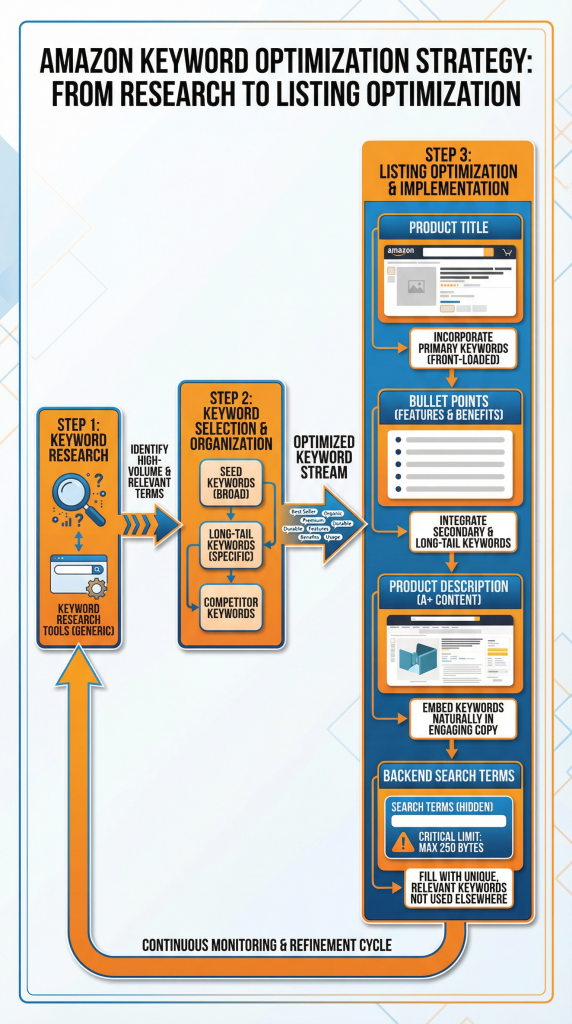
- Keyword Research: Use tools like Jungle Scout to find high-volume, relevant keywords, including long-tail phrases.
- Title: Front-load your most important keyword. Make it readable and include key benefits (e.g., “Waterproof Hiking Backpack, 40L Lightweight Daypack for Men & Women, Perfect for Outdoor Camping & Travel”).
- Bullet Points: Each bullet point should start with a benefit and then explain the feature. Use all five bullet points to tell a compelling story.
- Backend Search Terms: Use all 250 bytes. Fill this with synonyms, related terms, and common misspellings that you don’t have in your main listing copy.
2. Build an External Traffic Machine
Don’t rely solely on Amazon’s traffic. Create a multi-channel strategy to drive customers to your listing.
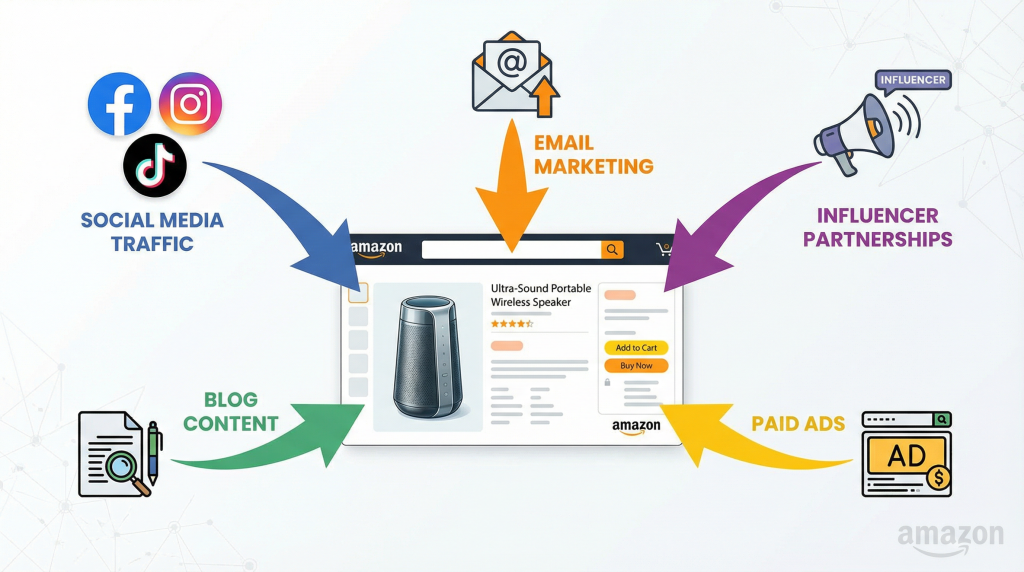
- Social Media: Run targeted ads on platforms like Facebook, Instagram, and TikTok that link directly to your Amazon product.
- Influencer Marketing: Partner with influencers in your niche to get authentic reviews and drive their followers to your page.
- Content Marketing: Start a blog or YouTube channel related to your product category and embed links to your Amazon listings.
- Amazon Attribution: Use this powerful tool to track which external channels are driving the most sales, and double down on what works.
3. Become Obsessed with Customer Experience
Every interaction a customer has with your brand matters. A superior customer experience builds the seller authority that A9 rewards.
- Generate Reviews Systematically: Use Amazon’s “Request a Review” button and consider automated email follow-ups (within Amazon’s ToS).
- Answer Questions Promptly: Monitor your product’s Q&A section and provide helpful answers within hours, not days.
- Analyze Negative Feedback: Treat negative reviews as free consulting. If customers are complaining about the same issue, fix it in your product or listing.
- Maintain Perfect Account Health: Keep your Order Defect Rate, Late Shipment Rate, and other metrics in excellent standing.
Frequently Asked Questions (FAQ)
Q: How long does it take to see ranking changes with the A9 algorithm?
A: While some changes, like a major price drop, can have a quick impact, most A9 optimization is a long-term game.
Building seller authority and a consistent sales history takes time. Expect to see meaningful changes over weeks and months, not days.
Q: Is PPC still important with the A9 algorithm?
A: Yes, but its role has changed. PPC is no longer the primary driver of rank. Instead, it acts as a catalyst.
It drives initial sales and visibility, which then generates the organic signals (sales, reviews, CTR) that the A9 algorithm values most.
Think of it as fuel for the organic fire.
Q: What is the single most important ranking factor?
A: There isn’t one. The A9 algorithm uses a complex, weighted system. However, the closest thing to a “most important” factor is Conversion Rate.
If your product converts clicks into sales at a high rate, Amazon will find a way to show it to more people.
Q: How does Amazon’s AI, Rufus, affect my product ranking?
A: Rufus directly influences product discovery. If your listing provides clear, descriptive, and benefit-oriented information that answers a customer’s conversational query, Rufus is more likely to recommend your product.
This bypasses traditional keyword ranking and puts you in front of a highly qualified buyer.
Conclusion: Your Blueprint for 2026 and Beyond
The Amazon marketplace of 2026 is smarter, more competitive, and more customer-centric than ever before.
Winning is no longer about finding a single loophole or outspending your competition on ads. It’s about building a superior brand, creating a fantastic product, and optimizing every single touchpoint of the customer journey.
The A9 algorithm and AI systems like Rufus are not obstacles; they are a roadmap.
They tell you exactly what you need to do: focus on quality, build trust, and serve the customer.
By following the principles in this guide, you can align your business with Amazon’s core philosophy and build a sustainable, profitable brand that thrives for years to come.
